Buying a Lakefront Property: What to Pay Attention To Before You Fall in Love
Lakefront living has a natural pull. The views, the lifestyle, the sense of escape—it all creates an emotional connection that few other property types can match. But that same emotional appeal is exactly why buyers need to approach waterfront purchases with a more analytical mindset. Unlike a typical home, the value and usability of a lakefront property are shaped just as much by the land and water as they are by the structure itself.
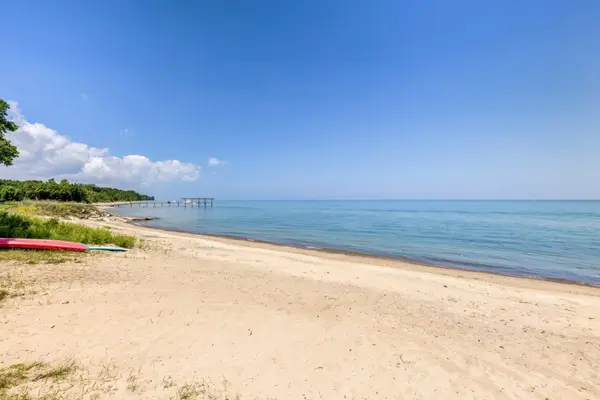
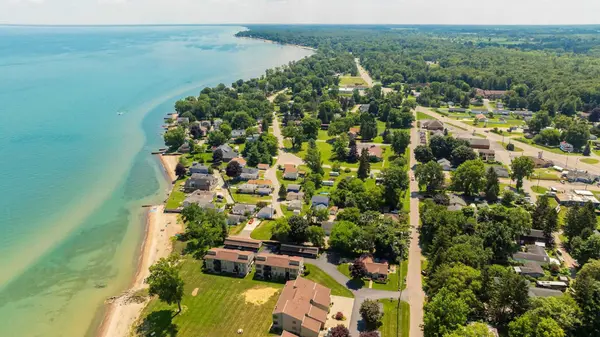
One of the first things to evaluate is the shoreline and overall water conditions. Not all waterfront is equal, even within the same stretch of lake. Water depth, bottom composition, and clarity can vary significantly. A sandy, gradual entry offers a completely different experience than a rocky or mucky bottom. In some areas, vegetation or shallow water can limit swimming, boating, or dock placement. Wind exposure also plays a role—certain shorelines are more protected, while others are subject to stronger waves and changing conditions that impact day-to-day use.
Frontage and spacing between neighboring properties are equally important but often overlooked. While buyers tend to focus on the total frontage measurement, the layout and positioning of surrounding homes can influence privacy far more than the number itself. Wider frontage generally commands a premium, but sightlines, elevation, and how close neighboring structures sit can change the overall feel of the property.
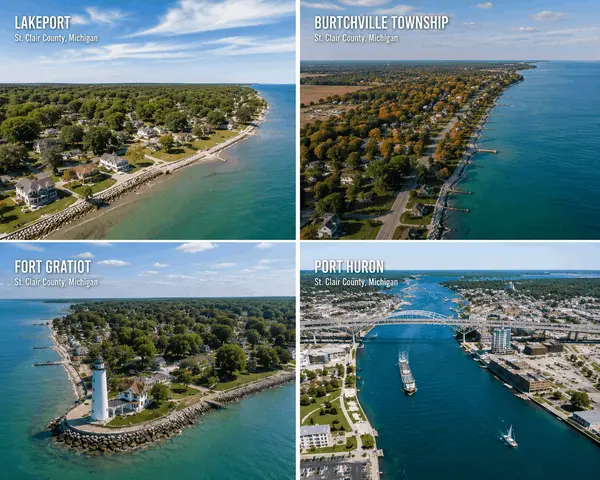
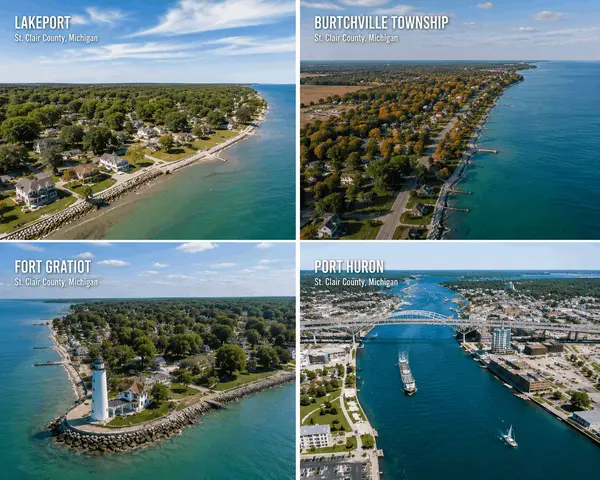
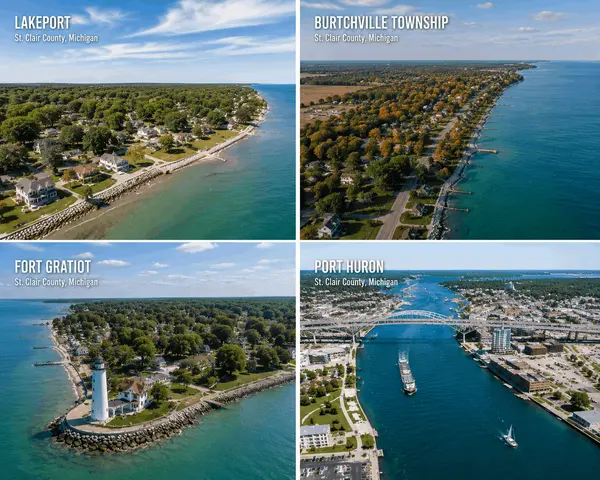
Water levels and seasonal changes should also be part of the evaluation. In Michigan, particularly along Lake Huron and surrounding waterfront areas, conditions are not static. Water levels fluctuate over time, and what appears ideal during one season may look different months later. Sandbars can emerge, docks may require adjustment, and accessibility can shift. Understanding these patterns helps avoid surprises after closing.
The home itself carries a different level of importance on the water. Lakefront properties are exposed to more demanding conditions—wind, moisture, temperature swings, and seasonal weather all take a toll. Construction quality, materials, and maintenance history matter more here than in many inland properties. Windows, roofing, siding, and insulation should all be evaluated with long-term durability in mind, not just appearance.
Regulations and permitted use are another key consideration. Waterfront properties often come with specific rules related to docks, shoreline modifications, and land use. These can vary by township, county, or environmental guidelines. Verifying what is allowed—and what is not—before purchasing is critical, especially for buyers planning improvements or specific types of use.
It is also important to think beyond seasonal enjoyment. Some lakefront homes are designed primarily for summer use, while others are built for year-round living. Access roads, heating systems, insulation, and overall infrastructure determine whether the property can comfortably support full-time occupancy. Buyers should align the property with their intended lifestyle from the start.
Finally, the financial side of waterfront ownership extends beyond the purchase price. Property taxes are typically higher, and maintenance costs can be more involved. Shoreline protection, docks, and ongoing upkeep should all be factored into the long-term investment. These elements are part of owning on the water and should be planned for accordingly.
In the end, buying a lakefront property is about more than securing a view. It is about understanding how the land, the water, and the structure interact over time. When those elements align, the result is not just a home, but a lifestyle that holds its value in ways that go far beyond the numbers.
Call/Text 313 449 8570 or visit website https://www.brabbteamproperties.com/ schedule a free consultation if you’re thinking about buying on the water.